
The 5 must-have indigenous craft products to offer as gifts

QUICK SUMMARY
Giving an Indigenous craft item means choosing a gift full of meaning, history, and authenticity. These unique creations support artisans and transmit ancestral traditions, transforming each present into a profound and significant gesture.
1. Dreamcatchers: symbolic and spiritual objects
Dreamcatchers are undoubtedly one of the most recognized and popular Indigenous items. Traditionally created to ward off bad dreams, these spiritual objects are handcrafted with leather, natural feathers, and beads. Each dreamcatcher tells a story, and its creation relies on techniques passed down from generation to generation. They make an ideal symbolic gift for those looking to bring a cultural and soothing touch to their home.
2. Handmade Indigenous jewelry: elegance and tradition
Indigenous jewelry, such as beaded necklaces, bracelets, and earrings, are not only beautiful but also rich in meaning. The beads, symbols, and motifs used vary from one community to another, each telling a unique story. Giving Indigenous jewelry means offering a piece of history, elegance, and authenticity. Whether for a special occasion or everyday wear, these jewels add a cultural touch to any outfit.
3. Traditional medicine bags: bearers of wisdom
The medicine bag is another gift rich in symbolism. Traditionally used to hold medicinal herbs, sacred objects, or stones, these bags are often made of leather and decorated with cultural patterns and symbols. In addition to their practical function, they are deeply rooted in Indigenous spirituality. Offering a medicine bag is offering protection and spiritual connection.
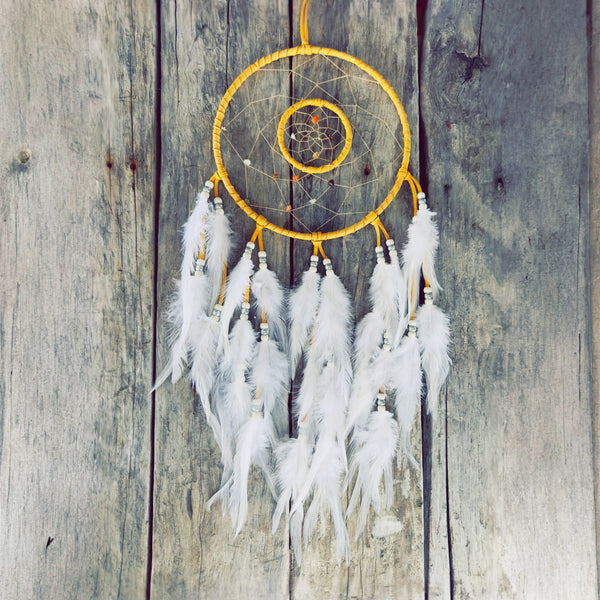
A strong presence to soothe the space
Large dreamcatchers that bring balance, calm, and presence to a space.
Handcrafted from 100% genuine moose hide and natural feathers, each piece embodies a unique harmony.
View dreamcatchers4. Wood or stone sculptures: timeless works of art
The art of sculpture is an integral part of many Indigenous cultures. Whether in wood, stone, or bone, each sculpted piece is unique and can represent totem animals, spiritual figures, or natural scenes. These works of art are perfect for decorating a space meaningfully, while celebrating Indigenous heritage. Offering an Indigenous sculpture is offering a timeless piece of art, imbued with spirituality and artisanal craftsmanship.
5. Traditional Indigenous drums: the heartbeat of culture
The drum is a sacred instrument for many Indigenous nations, symbolizing the heartbeat of the Earth. Made with animal hides and wood, it is used in traditional ceremonies and songs. Offering a traditional drum is sharing an intimate part of Indigenous culture, while allowing the recipient to connect with this rich musical and spiritual tradition.
Conclusion:
Indigenous craft products are much more than decorative objects; they represent centuries of know-how, traditions, and spirituality. Whether you are looking for a meaningful gift or a cultural item to add to your collection, these five essentials are the ideal choice. By offering these products, you not only support local artisans but also contribute to the preservation of Indigenous traditions.
Visit our online store ArtisanatAutochtone.com to discover a unique selection of authentic Indigenous products, perfect for any occasion.
Discover more creations
Two handmade pieces selected from our world of creations.


Frequently Asked Questions
Q1: What are the 5 types of Indigenous handicraft products that make a must-have gift?
Q2: What is the symbolism behind dreamcatchers and traditional drums?
Q3: What is the ethical impact of purchasing an indigenous handicraft product?


- Choosing a selection results in a full page refresh.
- Opens in a new window.