
The 50 Totem Animals and Their Significance in Indigenous Cultures

Quick summary
In Indigenous cultures, animals are not simply creatures, but teachers imbued with profound values. This article explores the symbolism of 50 totem animals, from the strength of the bear to the tenacity of the wolverine. Discover how these nature guides reflect our inner strengths and invite us to respect the great balance of life.
The 50 Totem Animals and Their Significance in Indigenous Cultures
Introduction
In many Indigenous cultures of North America, animals hold a significant place in understanding the world, the relationships between living beings, and the teachings imparted by nature. They are not merely seen as creatures to be observed from afar. They are also presences that inspire, guide, remind us of certain values, and reflect forces that human beings can recognize in their own lives.
When discussing totem animals, it's important to maintain a respectful approach. Indigenous traditions are not monolithic. Each nation has its own stories, symbols, and relationship with animals. Therefore, while there are similarities between some interpretations, there are also significant differences depending on the people, the territory, and the teachings passed down.
Today, many people seek the meaning of a totem animal, the symbolism of an animal they encounter, or the significance of an animal that appears in a dream. This subject attracts a great deal of interest, but it is often treated too quickly, too simply, or disconnected from the cultural traditions that give it its depth.
This article offers a lengthy, structured, and respectful exploration of fifty animals often associated with symbolic qualities in various Indigenous cultures. The aim is not to confine each animal to a single definition, but rather to provide a rich foundation for better understanding the profound lessons that nature can impart.
What does a totem animal mean in indigenous cultures?
In many traditions, animals are seen as beings that carry lessons. By observing their behavior, their way of surviving, protecting their territory, adapting to the seasons, or living in groups, it becomes possible to reflect on human values such as courage, patience, loyalty, listening, vigilance, or transformation.
The concept of a totem animal can be understood in various ways across different cultures. In some contexts, it may be linked to clans, lineage, responsibilities within the community, or ancient stories. In other contexts, it may also be associated with a significant presence in dreams, visions, spiritual teachings, or repeated encounters in nature.
It's not simply a matter of choosing an animal because you find it beautiful or impressive. In a more respectful view, the relationship with the animal is discovered over time, through observation, listening, and humility.
Why do animals occupy such an important place?
Indigenous cultures often remind us that humans do not live above the rest of living things, but within a greater balance. Animals, trees, rivers, mountains, seasons, and natural cycles all participate in this world order.
Animals teach without speaking. The bear demonstrates strength and restraint. The wolf represents unity. The eagle evokes a broad perspective. The beaver teaches construction and perseverance. The deer inspires gentleness and sensitivity.
Observing animals is therefore also learning to observe life with more attention.
How to recognize an animal that has been significant in one's life
Many people feel a strong connection with certain animals. This can take different forms.
In dreams : An animal may frequently appear in dreams and leave a strong impression. It may symbolize an inner need, a life stage, or a spiritual reminder.
In repeated encounters : Regularly seeing the same animal, especially at important times, can lead to reflection on what it represents.
In deep-seated attractions : Some people have felt a natural attraction to an animal for a long time, without always knowing why. This connection can lead to reflection on its symbolic qualities.
In cultural teachings : The stories, legends and traditions passed down in communities also help to understand why certain animals hold a special place.
Filter night vision

If an animal visits your nights, our traditional dreamcatchers help to protect your sleep and retain only the meaningful teachings.
Discover the collectionThe 50 Totem Animals and Their Meanings
1. The Bear : The bear is often associated with strength, protection, and healing. Its presence inspires respect, as it represents a calm, grounded power capable of defending what truly matters. In many teachings, it also evokes the need to withdraw at times to reflect, rebuild, or regain inner balance. The bear does not act through agitation. It reminds us that true strength can also be found in silence, patience, and self-control.
2. The Wolf : The wolf symbolizes loyalty, family, organization, and collective intelligence. It lives in a pack, protects its own, and participates in a structure where every role is important. It often represents the balance between personal autonomy and belonging to the group. The wolf teaches that one can be strong without being alone and that survival also depends on solidarity, listening, and trust.
3. The Eagle : The eagle is one of the most powerful symbols in many Indigenous traditions. It is often associated with vision, spiritual elevation, and the connection between the earthly and spiritual worlds. Because it flies high, it represents the ability to see further, to gain perspective, and to seek clarity. The eagle reminds us of the importance of having clear vision, an elevated spirit, and a deep connection with the sacred.
4. The Deer : The deer evokes gentleness, sensitivity, intuition, and grace. It is not a symbol of weakness, but rather of delicate strength, attentiveness to the world, and the ability to move forward with finesse. It teaches the importance of remaining attuned to the subtle movements of life. The deer can also represent compassion, kindness, and respect for others.
5. The Lynx : The lynx is often associated with mystery, silent observation, and the ability to perceive what escapes others. It moves discreetly, sees without revealing itself, and observes before acting. It represents a form of intuitive intelligence, focused on hidden or profound things. The lynx teaches prudence, clear-sightedness, and the importance of not relying solely on appearances.
6. The Fox : The fox symbolizes adaptability, constructive cunning, practical intelligence, and the ability to find solutions in complex situations. It doesn't rush in without thinking. It analyzes, circumvents, adjusts, and seizes opportunities. In a symbolic interpretation, the fox reminds us that sometimes we need to change our approach, be strategic, and demonstrate flexibility to overcome challenges.
7. The Beaver : The beaver represents work, construction, discipline, and perseverance. It transforms its environment with patience and method. It reminds us that great results often come from consistent effort, long-term vision, and the ability to build something solid. The beaver also teaches the importance of creating a stable, useful, and lasting space for oneself and one's loved ones.
8. The Otter : The otter evokes joy, playfulness, creativity, and emotional fluidity. It reminds us not to lose touch with the simple pleasures of life. Even in demanding situations, it teaches lightness, openness, and spontaneity. The otter encourages us to rediscover flexibility, to let energy flow, and not to become trapped in an overly rigid existence.
9. The Owl : The owl is often associated with wisdom, perception, and seeing in the dark. It sees where others cannot. It symbolizes the ability to understand what is happening in ambiguous areas, during transitions, or in moments of doubt. The owl teaches that sometimes we must slow down, observe, and accept going into the depths before we can truly understand a situation.
10. The Raven : The raven is associated with intelligence, transformation, and profound symbolism. In many traditions, it plays a significant role in narratives of creation, change, or transitions between different states. It reminds us that the visible world is not everything. The raven encourages us to look beyond appearances, to embrace transformation, and to recognize that periods of change can also pave the way for a broader understanding.
11. The Porcupine : The porcupine represents protection, healthy boundaries, and self-respect. It doesn't seek conflict, but it knows how to defend itself when necessary. It teaches that it's possible to be gentle on the inside while maintaining a clear ability to protect one's space. The porcupine reminds us of the importance of not letting others cross certain boundaries without awareness.
12. The Bison : The bison symbolizes abundance, collective strength, gratitude, and respect for the earth. In many plains cultures, it has held a central place in both material and spiritual life. It reminds us that true abundance comes with responsibility, respect, and appreciation. The bison also teaches stability, endurance, and deep-rooted strength.
13. The Horse : The horse evokes freedom, movement, power, and vital energy. It represents the ability to move forward, to carry loads, to traverse distances, and to answer the call of travel. Symbolically, it can reflect inner strength, breath, energy, and the need to avoid confinement. The horse also teaches the balance between power and control.
14. The Coyote : The coyote is often associated with adaptability, quick intelligence, and survival in difficult situations. It knows how to seize opportunities, change strategy rapidly, and persevere despite obstacles. In many stories, it plays a significant, sometimes unsettling, sometimes revealing role. It reminds us that life isn't always linear and that some lessons are learned through mistakes, detours, and realizations.
15. The Hare : The hare symbolizes liveliness, instinct, sensitivity, and quick reactions. It is attentive to everything around it and often acts very swiftly. It teaches the importance of staying alert, trusting one's perceptions, and knowing when to act without delay. The hare can also evoke fertility, renewal, and the ability to remain lighthearted despite vulnerability.
16. The Tortoise : The tortoise represents ancient wisdom, patience, stability, and a deep connection to the earth. In many traditions, it is associated with creation, duration, and a form of peaceful knowledge. It moves slowly but surely. It teaches that one does not need to go fast to go far. The tortoise reminds us of the importance of grounding, calmness, and respecting natural rhythms.
17. The Butterfly : The butterfly symbolizes transformation, the passage from one state to another, and rebirth. Its life cycle makes it a powerful symbol of inner evolution. It reminds us that change is not always immediate, but that it can lead to a new expression of self. The butterfly also teaches about fragile beauty, lightness, and the ability to emerge differently after a period of withdrawal.
18. The Falcon : The falcon evokes precision, speed, concentration, and focused vision. It knows how to recognize the right moment to act. It symbolizes clarity of intention, sound decision-making, and efficiency. The falcon teaches that sometimes one must stop scattering one's energy in order to aim accurately, calmly, and clearly.
19. The Salmon : The salmon is often associated with perseverance, returning to one's origins, and the strength of the journey. It swims upstream with determination. It teaches resilience, endurance, and loyalty to what is essential. The salmon reminds us that some difficult paths are necessary to find our center, our identity, or our source.
20. The Moose : The moose symbolizes quiet strength, dignity, presence, and deep-rooted confidence. It doesn't need commotion to command respect. Its energy is steady, profound, and imposing. It teaches calm assurance, the ability to occupy one's space without unnecessary violence, and inner nobility.
21. The Mink : The mink represents discretion, agility, intuition, and the ability to appear and disappear quickly. Its stealthy nature makes it a symbol of keen observation and subtle presence. It teaches that one does not always need to be visible to be powerful. The mink also reminds us of the importance of vigilance and sensitivity to the world's movements.
22. The Raccoon : The raccoon symbolizes curiosity, skill, practical intelligence, and adaptability. It actively explores, manipulates, searches for, and understands its environment. It teaches ingenuity, resourcefulness, and the ability to find resources in the seemingly ordinary. It also reminds us that learning often comes through exploration.
23. The Owl : The owl, like the barn owl, is often associated with intuition, perception, and the ability to discern hidden things. It moves in silence and finds its way in the darkness. It symbolizes a form of inner knowledge that is independent of the noise of the world. The owl teaches deep listening, clarity of thought, and trust in subtle signs.
24. The Snake : The snake represents transformation, renewal, and the passage from one cycle to another. Because it sheds its skin, it is often seen as a symbol of rebirth. It reminds us that certain letting go is necessary for growth. The snake also teaches the power of vital energy, mindfulness, precision, and the ability to sense before acting.
25. The Frog : The frog symbolizes purification, the passage between different worlds, and adaptation to natural cycles. It lives between water and land, making it a creature of transition. It reminds us of the importance of cleansing, renewal, and listening to the changes of the seasons or inner states. The frog also teaches sensitivity to the environment.
The animal's energy near the heart

Our medicine bags allow you to carry with you the natural elements that symbolize your unique connection with the animal world and the territory.
See the medicine bags26. The Hummingbird : The hummingbird evokes joy, energy, delicacy, and being present in the moment. Despite its small size, it possesses great intensity. It teaches that significant strength can reside within something delicate. The hummingbird also reminds us of the beauty of movement, lighthearted perseverance, and the ability to find the essence of life.
27. The Canada Goose : The Canada goose represents travel, loyalty, direction, and group living. Its migration in formation reminds us of the importance of cooperation and a sense of direction. It teaches us that long journeys are best undertaken together and that each stage of a journey has its purpose. The Canada goose also symbolizes cyclical return and our connection to the seasons.
28. The Wild Turkey : The wild turkey symbolizes abundance, sharing, gratitude, and generosity. It evokes the ability to nurture the community, to recognize what is already present, and to honor the gifts received. It teaches that wealth lies not only in accumulation, but also in the way we share and give thanks.
29. The Peregrine Falcon : The peregrine falcon represents speed, precision, total commitment, and the ability to reach one's target with intensity. It reminds us of the importance of being fully aligned with our goal. Its symbolism is linked to efficiency, discipline, and clarity of action. It teaches us not to waste our energy.
30. The Eurasian eagle-owl : The eagle-owl reinforces the image of wisdom, quiet strength, and profound observation. Its presence inspires restraint, silent authority, and patience. It symbolizes the ability to hold one's ground calmly. It reminds us that immense strength resides in those who observe for a long time before intervening.
31. The beluga whale : The beluga whale symbolizes communication, collective memory, community life, and relational intelligence. It lives in a fluid world where sound, presence, and coordination are essential. It teaches the importance of connection, transmission, and mutual understanding. It can also evoke gentleness combined with strength.
32. The Seal : The seal represents adaptation, flexibility, and the ability to move between different environments. Equally at home in the water as on ice or the shore, it symbolizes fluidity in the face of change. The seal teaches calm resilience, ease in transitions, and trust in the natural flow of life.
33. The Caribou : The caribou symbolizes endurance, movement, a strong travel instinct, and survival in sometimes difficult conditions. It traverses vast territories and adapts to the seasons. It teaches continuity, tenacity, and fidelity to natural cycles. The caribou also reminds us of the importance of respectfully following ancient paths.
34. The Cougar : The cougar represents power, sovereignty, mastery, and quiet leadership. It doesn't need to make a fuss to assert its strength. It symbolizes confidence, natural authority, and the ability to act at the right moment. The cougar teaches that true power doesn't need exaggeration to be recognized.
35. The Badger : The badger symbolizes courage, tenacity, and determination. It digs, persists, holds firm, and does not back down easily. It teaches persistence in effort, resilience in the face of opposition, and the ability to defend what must be defended. The badger reminds us that sometimes we must persevere even when the path seems difficult.
36. The Marten : The marten represents agility, quick intelligence, vigilance, and precision of movement. It knows how to sneak, adapt, and remain attentive. Its symbolism evokes mental flexibility, efficiency, and the ability to act with finesse. It also teaches discretion and quick thinking.
37. The Cormorant : The cormorant symbolizes the balance between the elements, particularly between water and air. It dives deep and then returns to the surface. It can represent the ability to explore one's inner self and then return with something precious. The cormorant teaches immersion, concentration, and the connection between depth and clarity.
38. The Seagull : The seagull represents freedom, adaptability, and vigilance in changing environments. It observes a great deal, moves easily, and knows how to make the most of what is available. It teaches a sense of opportunity, mobility, and the ability to remain lighthearted while being attentive.
39. The Snowy Owl : The snowy owl symbolizes silence, clear vision, dignity, and presence in vast spaces. Its image often evokes a cool, lucid, and profound wisdom. It teaches restraint, precision of vision, and the ability to remain centered even in challenging situations. The snowy owl reminds us that calmness can be a form of power.
40. The Blackbird : The blackbird represents renewal, the movement of the seasons, and the vitality of return. Its song can evoke awakening, resumption, and the arrival of new possibilities. It teaches that life is constantly renewed and that even after a darker period, something can begin anew with strength.
41. The Loon : The loon symbolizes a deep connection with water, intuition, and inner reflection. Its mysterious call, often heard on still lakes, evokes silence, contemplation, and listening to the natural world. In a symbolic interpretation, the loon reminds us of the importance of stepping back, delving into our thoughts, and remaining attentive to nature's subtle messages. It also represents peace, inner clarity, and a profound connection to the land.
42. The Squirrel : The squirrel represents preparation, organization, anticipation, and the ability to foresee the future without succumbing to fear. It gathers, sorts, and preserves. It teaches the wisdom of thinking about the seasons to come, preparing what needs to be prepared, and balancing the present with the future.
43. The Partridge : The partridge symbolizes attentiveness, discretion, and the ability to live in harmony with one's environment. This ground-dwelling bird moves with caution and vigilance, always attentive to the movements of the nature that surrounds it. In a symbolic interpretation, the partridge evokes the balance between presence and humility. It teaches the importance of paying attention to detail, respecting natural cycles, and recognizing the richness of simple things.
44. The Great Blue Heron : The great blue heron represents patience, stillness, observation, and acting at the opportune moment. It waits a long time before moving, then acts with precision. It teaches the balance between calm and efficiency. The heron reminds us that haste is not always synonymous with progress.
45. The Osprey : The osprey symbolizes focus, precision of movement, and the ability to grasp what is needed with accuracy. It is focused on its goal and adjusts its movements according to the conditions. It teaches clarity, discipline, and the importance of aiming for what truly nourishes.
46. The Groundhog : The groundhog represents our connection to the earth, cycles, rest, and the transition between withdrawal and return. It reminds us of the importance of respecting periods of introspection, pauses, and natural rhythms. The groundhog teaches us that there is a time to act and a time to withdraw.
47. The Turkey : The turkey, like the wild turkey, can symbolize abundance, gratitude, and the value of sharing. It evokes the relationship between food, gratitude, and community. Symbolically, it teaches generosity and humility in the face of life's gifts.
48. The Musk Ox : The musk ox symbolizes resilience, cohesion, collective strength, and the ability to withstand extreme conditions. It inspires robustness, the protection of the group, and endurance in adversity. It teaches that strength is not only manifested in attack, but also in the ability to stay.
49. The Reindeer : The reindeer represents movement, guidance, endurance, and a connection to the land. It traverses vast spaces, following ancient routes. It teaches continuity, trust in the path, and the quiet strength of the journey. The reindeer also reminds us that some journeys require endurance more than speed.
50. The Wolverine : The wolverine symbolizes tenacity, determination, and the ability to survive in difficult conditions. Despite its relatively small size, it is known for its courage and persistence. It can travel long distances and does not easily back down from obstacles. In a symbolic interpretation, the wolverine evokes strength of character, mental endurance, and the ability to persevere even when the path becomes challenging.
Honoring the sacred with smoke

Use our purification tools to cleanse your space and invite the qualities of totem animals into your daily life during your rituals.
Discover the purification toolsWhat totem animals can teach us today
Even though the subject attracts a great deal of modern interest, it should not be stripped of its depth. Animals are not merely decorative symbols. They remind us of a more mindful, respectful way of life, more connected to natural cycles.
Learning the meaning of totem animals can help you reflect on several things:
- The qualities that one must develop
- Attitudes to correct
- The periods of transformation we are going through
- The way to listen to nature better
- The link between identity, territory and transmission
The difference between general symbolism and specific traditions
It is essential to remember that there is no single, universal list valid for all Indigenous nations. Some meanings are similar, but traditions remain diverse. The same animal can have a different role depending on the territory, language, stories, and teachings specific to each people.
This is why serious reading must always remain humble. This article offers a respectful overview, but it does not replace the knowledge passed down within the communities themselves.
Conclusion
Totem animals hold an important place in many Indigenous cultures because they remind us that nature is a living, breathing place. Each animal reflects a quality, an energy, a posture, or a way of being in the world. Some inspire strength, others gentleness, endurance, vigilance, transformation, or wisdom.
Reading about the meaning of animals should not be used to freeze nature into simplistic definitions, but rather to nurture a deeper relationship with living things. Observing an animal, dreaming about it, or feeling touched by its presence can become an invitation to reflect differently on one's own path.
Through these fifty animals, one thing always comes back: human beings learn best when they remember that they are part of a great balance.
First purchase
Extend your connection with animal symbolism through a meaningful object.
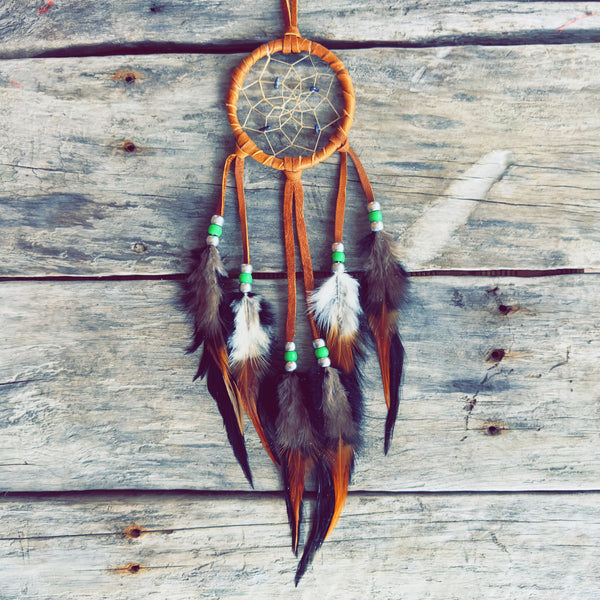
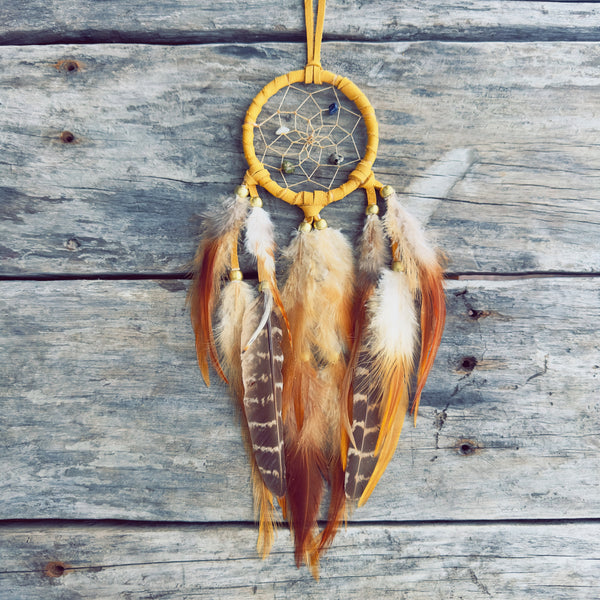
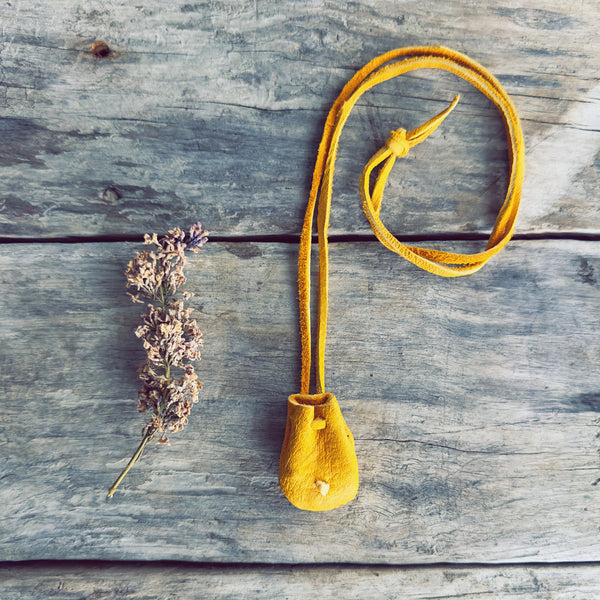

Each object is handcrafted on the Nitassinan by the Ilnu craftsman Dave Verreault-Thisselmagan, respecting traditions.