
What is the meaning of the wolf in indigenous cultures?

Quick Summary
The wolf is a pillar of indigenous spirituality, embodying loyalty, family, and wisdom. This guide explores how the spirit of the wolf inspires community unity, instinctive intelligence, and respect for natural cycles through ancestral traditions.
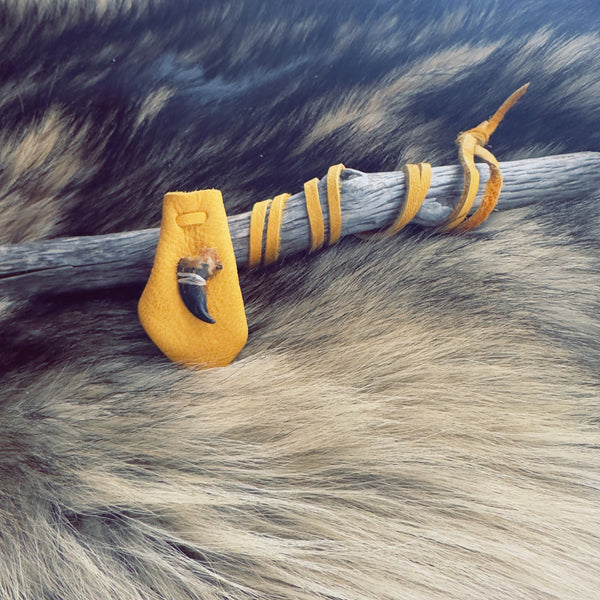
A space for what truly matters
A medicine bag to accompany moments of introspection and keep essentials close.
Made from 100% genuine moose hide, it embodies simplicity, protection, and inner connection.
View medicine bagsThe wolf is an emblematic animal that plays an essential role in the beliefs and traditions of Indigenous peoples of North America and elsewhere. Often associated with family, loyalty, and intelligence, the wolf embodies values that strengthen community and spiritual bonds.
A symbol of loyalty and family
In many cultures, the wolf is seen as a symbol of loyalty and family unity. It lives in packs, where each member has a specific role to play. This social structure highlights the importance of teamwork, cooperation, and protecting group members. Stories and legends often emphasize the idea that strength comes from unity and solidarity.

The wisdom of the wolf
The wolf is also considered a wise being. Its instinctive and intelligent behavior is often used to teach lessons about survival and adaptation. Indigenous peoples often see the wolf as a spiritual guide, offering teachings about nature, relationships, and respect for life cycles.
Symbolism in myths and legends
In Indigenous myths, the wolf plays an important role, often as a central character in stories that highlight bravery, cunning, and intelligence. Sometimes, it is depicted as a hero who overcomes challenges, thus showing the importance of wisdom and determination in life. These narratives serve as models for community and personal values.
The importance of the wolf in art and culture
The wolf is a source of inspiration in Indigenous art, appearing in sculptures, paintings, and textiles. These representations celebrate its strength and beauty while conveying stories and traditions. Artists often use the wolf to evoke themes of respect for nature and deep spiritual connections with the animal world.
Conclusion
The wolf remains a powerful symbol in Indigenous cultures. Its significance goes beyond its physical existence; it embodies values of loyalty, wisdom, and unity that are essential to the spiritual life of communities. By honoring the wolf, we recognize the importance of these lessons for living in harmony with nature and other living beings.
Sources and References :
- Exploring Indigenous Animal Symbolism: Myths & Meanings - Native Tribe Info.
- The Spiritual Significance Of Native American Animal Symbolism - Richard Alois.
You feel a connection with this animal
Each animal carries a unique message. Deepen this connection by exploring the full meaning of animals.
Explore totem animalsGo deeper into what you feel
Some creations naturally extend the energy of what you have just read.


Frequently Asked Questions
Q1: What is the strongest symbolism associated with the wolf in indigenous cultures?
Q2: What role does the wolf play as a spiritual guide and teacher?
Q3: How is the wolf integrated into the art and myths of indigenous peoples?
- Choosing a selection results in a full page refresh.
- Opens in a new window.