
The meaning of the butterfly among indigenous peoples

The Significance of Butterflies Among Indigenous Peoples
The butterfly, a universal symbol of transformation and change, holds a special place in many Indigenous cultures of North America. Among these peoples, the butterfly is often seen as a spiritual messenger, carrying metamorphosis, renewal, and hope. Each Indigenous nation attributes unique meanings to the butterfly, while sharing a common recognition of its beauty and mystery. Let's explore the different meanings of the butterfly among Indigenous peoples.
The butterfly as a symbol of transformation
In several Indigenous nations, the butterfly is a powerful symbol of personal transformation. The way a caterpillar metamorphoses into a butterfly, moving from an earthly creature to an aerial one, is often associated with spiritual and emotional development. This process symbolizes the ability to overcome difficulties, to grow, and to transform oneself into a better version of oneself.
- Among the Anishinaabe (Algonquins), the butterfly represents evolution and spiritual transformation. It is seen as a guide through periods of change, whether it be personal growth or the transition from one phase of life to another.
- Among the Cree, the butterfly is seen as a symbol of rebirth and renewal. It is often associated with the cycles of nature, and its appearance heralds new opportunities or imminent change.

An object carrying protection and intention
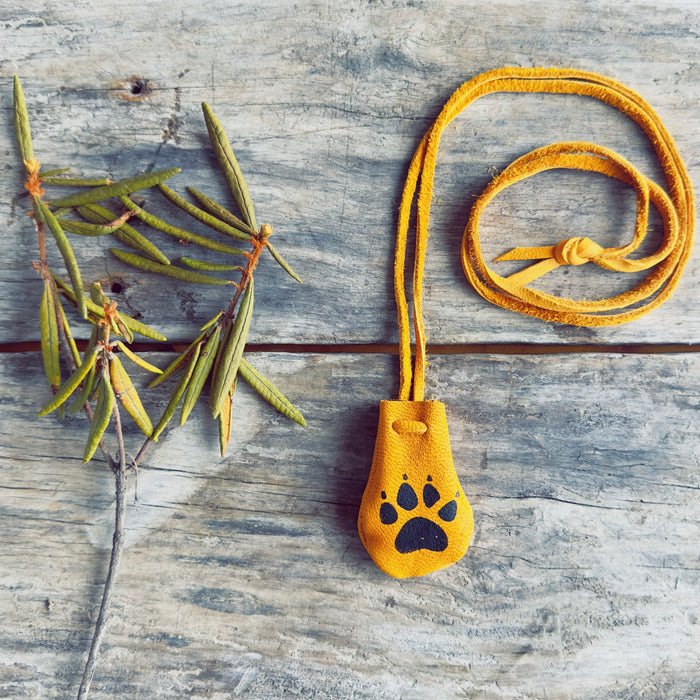
The medicine bag accompanies personal objects and intentions that one chooses to keep close.
Made from 100% genuine moose hide, it embodies protection, grounding, and connection to the essential.
View medicine bagsA spiritual messenger
Among some Indigenous nations, butterflies are considered messengers between the world of the living and the spiritual world. They carry subtle messages from ancestors or nature spirits.
- For the Hopi, who live in the southwestern United States, but share beliefs with some northern nations, the butterfly is considered a spiritual messenger that connects the souls of the living with the spirits of the ancestors. The delicate flight of the butterfly symbolizes the lightness of souls and their ability to move freely between worlds.
- Among the Mi’kmaq of Quebec and the Maritimes, butterflies are also considered messengers. They are often seen as carriers of prayers, especially when they fly around someone. A prayer addressed to a butterfly is believed to reach the spirits faster, as the butterfly carries messages on the wind.
The butterfly as a symbol of nature and beauty
Indigenous peoples have a deep relationship with nature, and the butterfly, with its colorful wings and graceful flight, embodies the fragile beauty of the natural world. For many nations, the butterfly serves as a reminder of the importance of respecting and protecting the environment, as it depends on a healthy ecosystem to survive.
- Among the Navajos, although they are not originally from Quebec, butterflies represent beauty and joy of life. They are often depicted in art and ceremonies, reminding us of the importance of enjoying life's small wonders and protecting nature.
The butterfly in art and traditions
In several Indigenous cultures, the butterfly is represented in art, stories, and oral traditions. Its colorful wings and graceful movements inspire artists and storytellers to create works that illustrate lightness, transformation, and connection to spirits.
Among the Huron-Wendat, the butterfly is often depicted in woven or carved patterns, symbolizing the lightness of the soul and freedom. It also appears in oral narratives as a benevolent creature that guides humans through difficult times.
Conclusion
For many Indigenous nations in Quebec and elsewhere, the butterfly is more than just an insect: it is a profound symbol of transformation, a spiritual messenger, and a constant reminder of the beauty and fragility of life. Its image, present in stories, art, and ceremonies, inspires people to stay connected to nature and their own spiritual journey.
Sources and references:
Secrétariat aux affaires autochtones du Québec: Resources on Indigenous beliefs and symbols.
Source: affairesautochtones.gouv.qc.ca
Assembly of First Nations Quebec-Labrador: Cultural profile of Indigenous nations in Quebec.
Source: apnql.com
Native American Symbolism of the Butterfly - Encyclopedia of Indigenous symbols.
Source: native-languages.org
Inuit Tapiriit Kanatami: Indigenous perspectives on wildlife and nature.
Source: itk.ca
In Indigenous culture, each animal possesses a unique energy that is reflected in our spiritual creations.
You feel a connection with this animal
Each animal carries a unique message. Deepen this connection by exploring the full meaning of animals.
Explore totem animalsGo deeper into what you feel
Some creations naturally extend the energy of what you have just read.

Frequently Asked Questions
Q1: What is the most fundamental symbolism of the butterfly in indigenous cultures?
Q2: How does the butterfly serve as a link between the world of the living and the spiritual world?
Q3: Beyond its spiritual role, what does the butterfly represent in the art and culture of indigenous peoples?
- Choosing a selection results in a full page refresh.
- Opens in a new window.